


Regina Hellen Okoit Lunyolo was elected General Secretary of the Lausanne Network for Women in International Sport, adding an international leadership role to a career built through rugby and women’s sport development in Uganda.
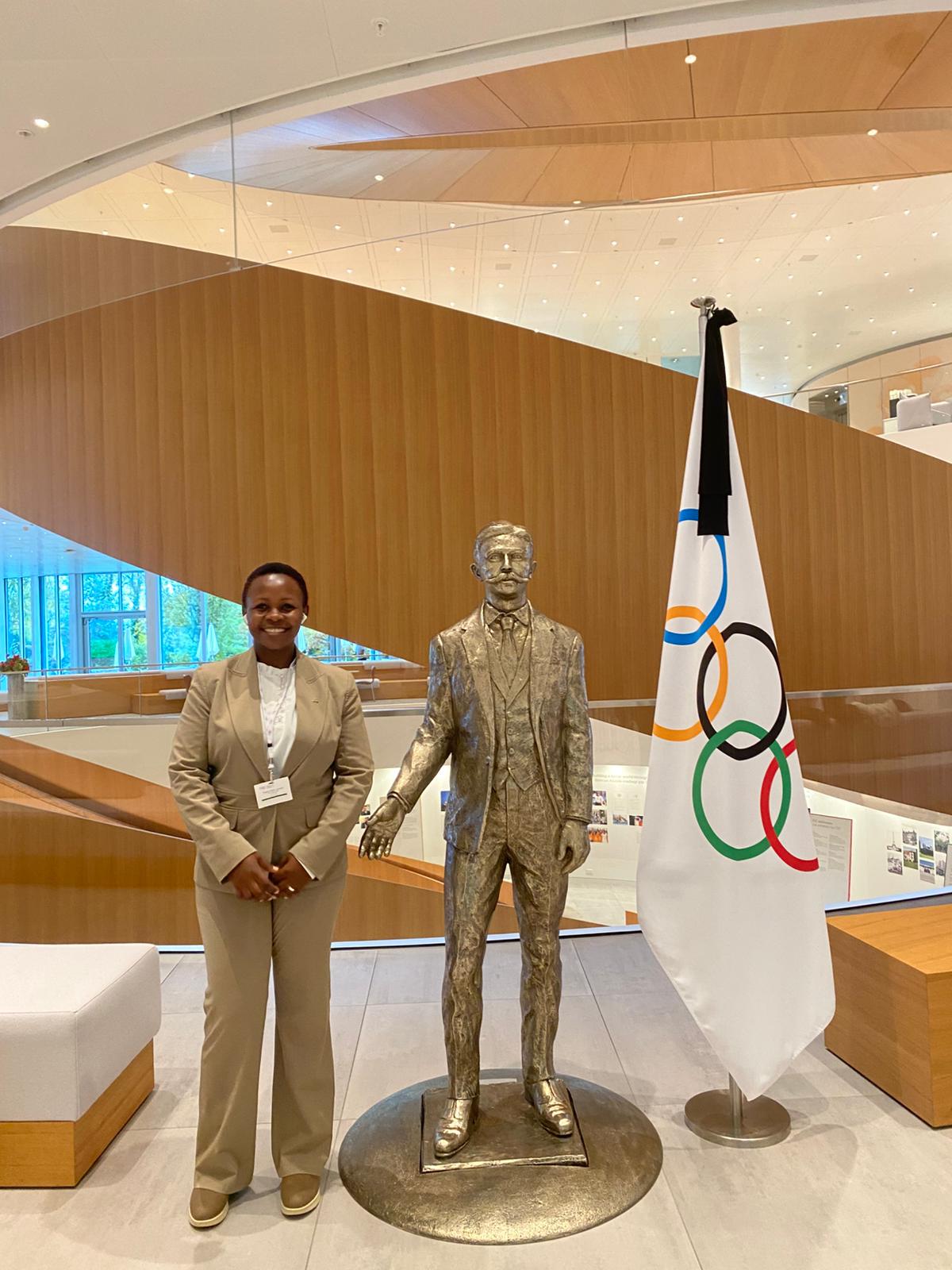
Regina Lunyolo is one of Uganda women’s rugby pioneers starting her journey in sports in the early 2000s as a player. She has since progressed from playing into coaching, refereeing, team management, administration, youth development and leadership.
She is the founder of Entebbe Lady Swans Rugby Club and has contributed to women’s rugby at national and continental level, including serving on Rugby Africa’s Women’s Rugby Advisory Committee.
On 31 July 2026, she was elected General Secretary of the Lausanne Network for Women in International Sport at its constitutive General Assembly in Lausanne, Switzerland.
The appointment represents a new chapter in a rugby journey that began more than two decades ago, when women’s participation in the sport was still in its early stages in Uganda.
“What started as an opportunity to play became much bigger than I could have imagined,” Lunyolo says. “Rugby gave me confidence, discipline, friendships and a sense of possibility.”
Finding a place in rugby
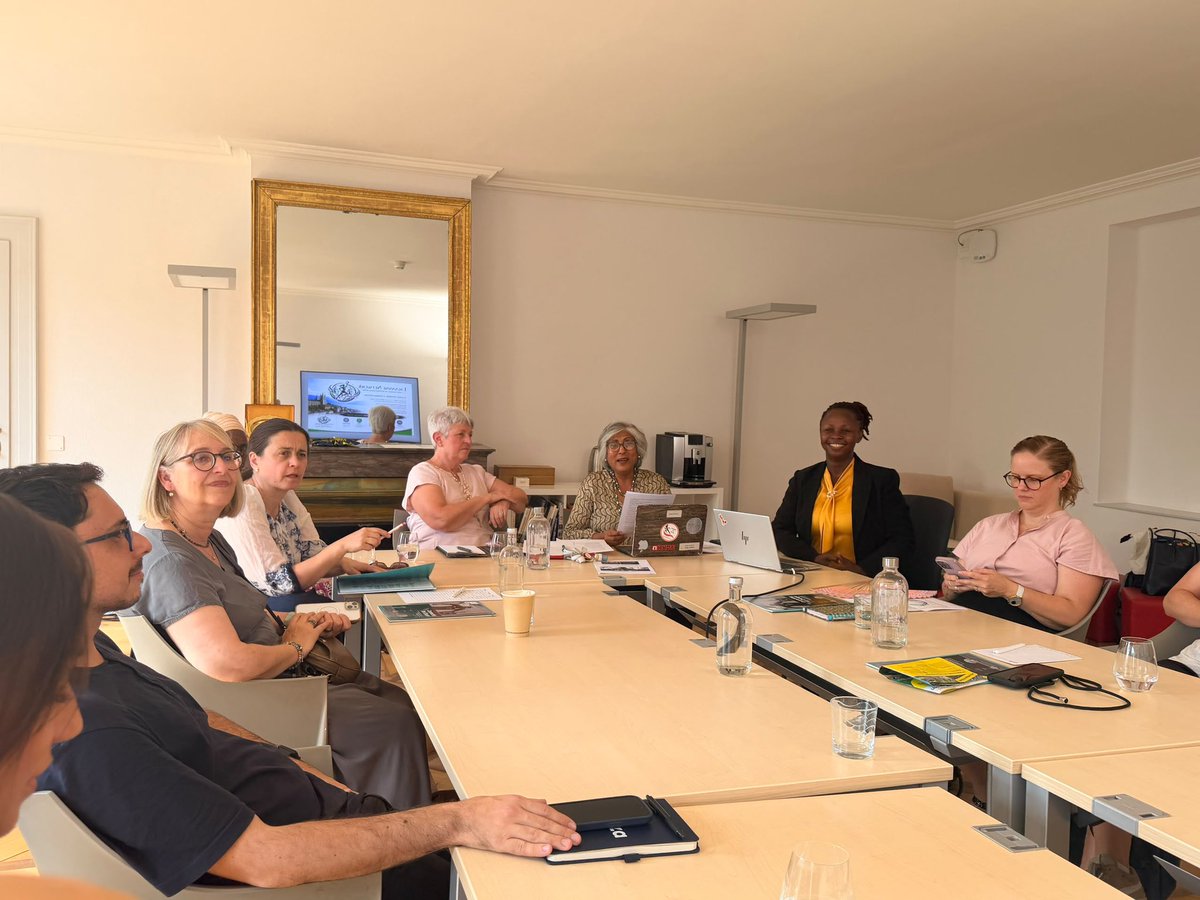
Lunyolo took up rugby around 2002–2003 because she wanted to try something different. At the time, the game was largely associated with men, making the decision to step onto the field both a sporting and social statement.
“I was attracted by the opportunity to try something different,” she says. “At the time, rugby was largely associated with men, so for a young woman to step onto a rugby field required curiosity and courage.”
The early years required players to learn the sport while also challenging assumptions about women’s participation in rugby.
“We were learning the sport, learning about ourselves and, without necessarily realising it at the time, challenging perceptions about what women could do,” Lunyolo says.
She identifies the late James Park, her coach and mentor, as one of the most important influences during that period. He created a safe environment in which she could learn, develop confidence and discover her potential.
“He encouraged me, built my confidence and motivated me to discover my potential,” she says. “That mentorship became one of the foundations of my journey.”
The experience shaped the values that continue to guide her leadership.
“Sometimes what a young person needs most is someone who believes in them and creates an environment where they are allowed to grow,” she says.
From player to leader
Lunyolo’s transition from playing into leadership was shaped by the different roles she occupied within the game.
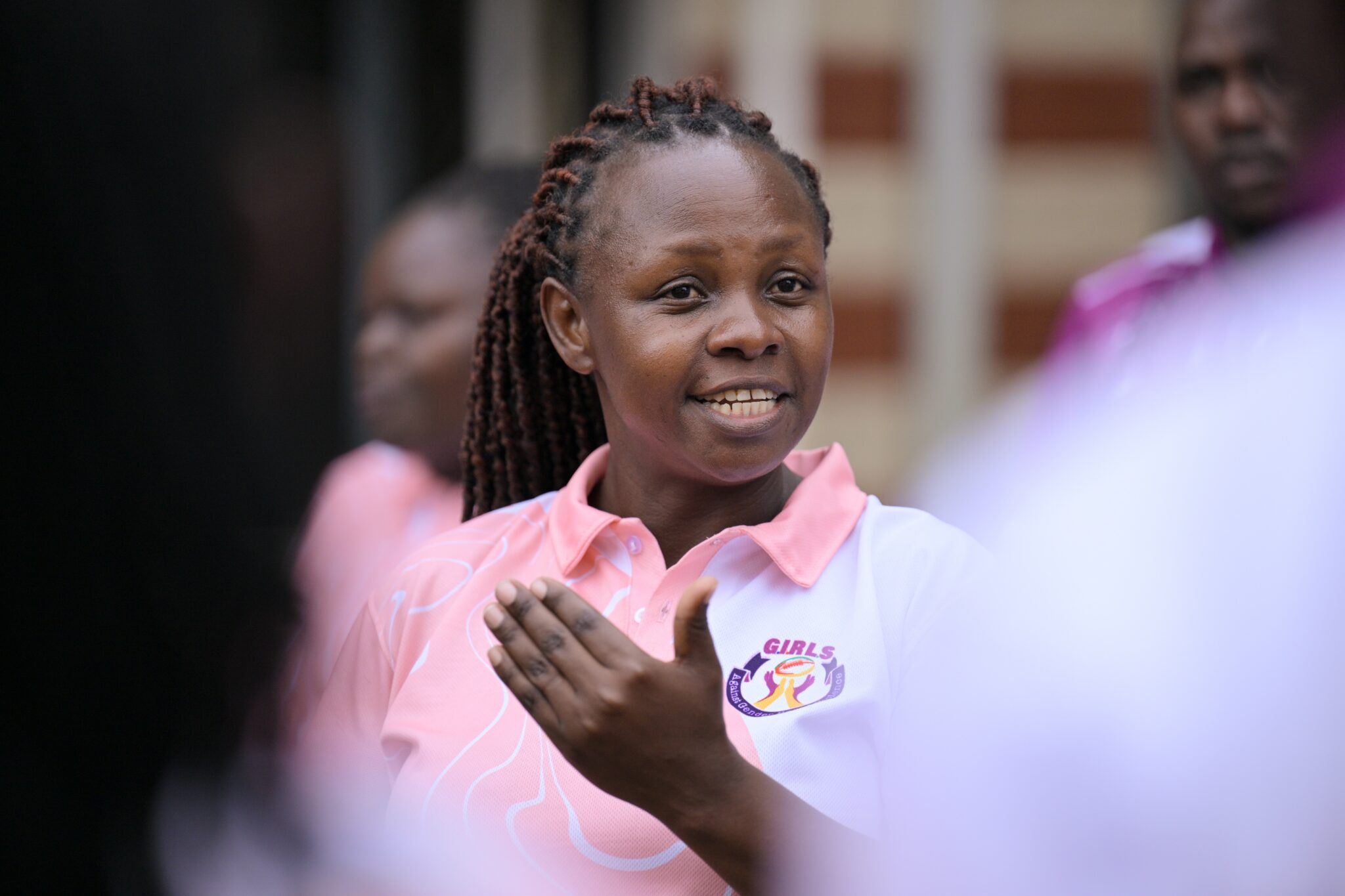
As a player, she experienced the pressure of competition, the importance of teamwork and the value of support from coaches and teammates. Coaching then taught her how to develop others, while refereeing strengthened her decision making, fairness and confidence under pressure. Team management developed her organisational skills and responsibility for people beyond the field. Administration gave her a broader understanding of the structures and systems required to support sport.
“Together, those experiences taught me that leadership is not primarily about position,” Lunyolo says.
“Leadership is about creating the conditions in which other people can perform, develop and succeed.”
Her commitment to creating those conditions led to the establishment of Entebbe Lady Swans Rugby Club. The club was founded to give girls and women an accessible environment in which to train, compete, develop and belong.
For Lunyolo, the impact of a club extends beyond results.
“Success is not only measured by matches played or results achieved,” she says. “It is also in the girls and boys, women and men who have developed through the environment, the friendships created, the confidence gained and the visibility the club has contributed to rugby in Uganda.”
Sport as a development tool
Lunyolo’s work has also connected rugby to youth mentoring and life skills development through initiatives including Sports Women Connect and the G.I.R.L.S Against Gender Based Violence Project.
“Rugby may bring a young person through the door, but what happens beyond rugby can influence the rest of their life,” she says.
Through sport, she has seen young people develop confidence, discipline and the ability to speak for themselves. Rugby also provides lessons in communication, teamwork, resilience, leadership, integrity and decision making.
For girls, the confidence gained through sport can be particularly significant.
“A girl who discovers that she can tackle, compete, lead teammates and overcome challenges on a rugby field can begin asking herself what else she is capable of doing,” Lunyolo says.
She believes the success of a sports programme should therefore be measured by more than the number of players produced.
“The question should not only be, ‘Did we produce a good rugby player?’ We should also ask, ‘Did we help develop a confident young person who is better prepared for life?’”
Building pathways for women
Lunyolo’s experience in Uganda has informed her work with Rugby Africa and other international sports organisations. One of the key lessons she has learned is that sustainable sports development must reflect local realities.
“International strategies are important, but implementation happens in communities,” she says. “You have to listen to players, coaches, administrators, families and communities.”
She also believes that women’s participation and women’s leadership must be treated as connected but separate objectives.
A new international responsibility
Lunyolo describes her election as General Secretary of the Lausanne Network for Women in International Sport as both an honour and a responsibility.
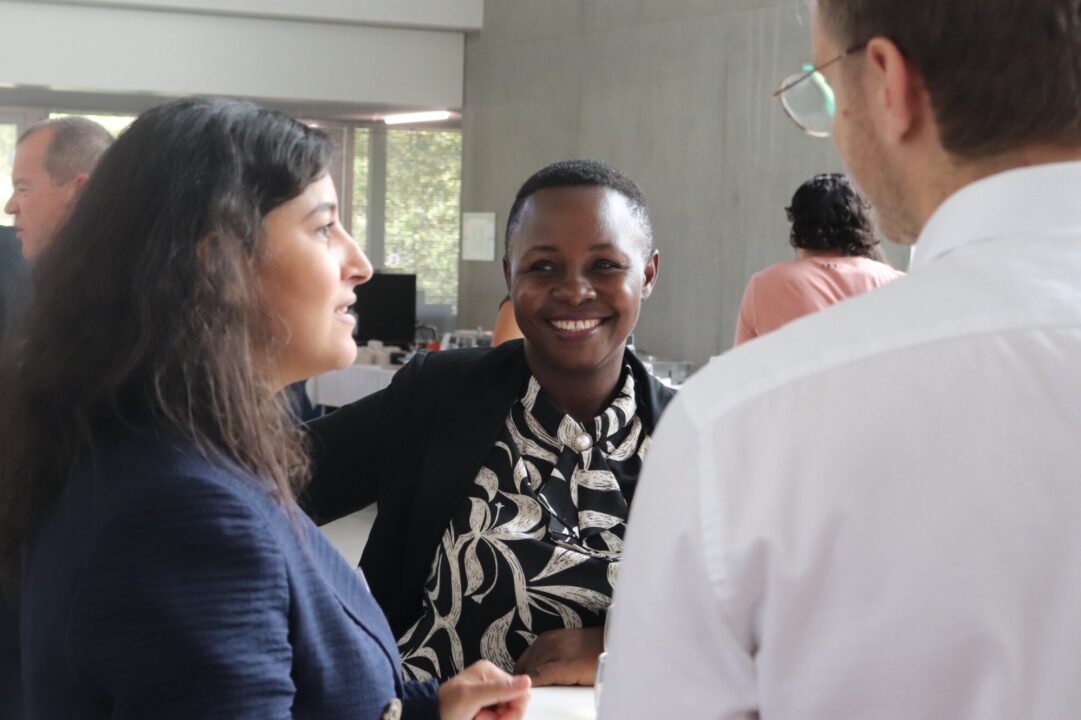
The network has approximately 20 years of history connecting women within and around international sport in Lausanne. Its transition into a Swiss association provides an opportunity to strengthen its governance and administration while preserving the relationships that have sustained it.
“As General Secretary, I see my responsibility as contributing to strong governance, communication, continuity and member engagement while working collaboratively with the leadership and membership,” she says.
Lunyolo also hopes to bring an African perspective to the network’s work.
“African women in sport operate within particular cultural, economic and institutional contexts,” she says. “Those voices should be represented in international conversations not simply as beneficiaries, but as experts and leaders.”
She wants the network to create a two way exchange: connecting African women to global opportunities while ensuring that African women’s experience and expertise contribute to international sport.
“If we begin developing today’s female players as tomorrow’s coaches, officials, administrators and board members, five years from now we will not simply have more women playing rugby; we will have more women shaping rugby,” she says.
Her message to the next generation is based on preparation, courage and service.
“Do not only look for your place in sport; prepare yourself to shape its future,” Lunyolo says. “Learn your sport. Invest in your education. Develop skills beyond playing. Ask questions. Find mentors. Build networks.”
“Leadership is not ultimately about how many positions we occupy,” she says. “It is about how many possibilities we create for others.”